
History
History
Who hasn’t heard the phrase “making a 48”? This expression means to create a great deal of confusion and noise, possibly even leading to riots or clashes.
This phrase has a historical origin directly linked to the Hunger Forts.
The number 48 refers to the year 1848, when revolutions erupted across Europe.
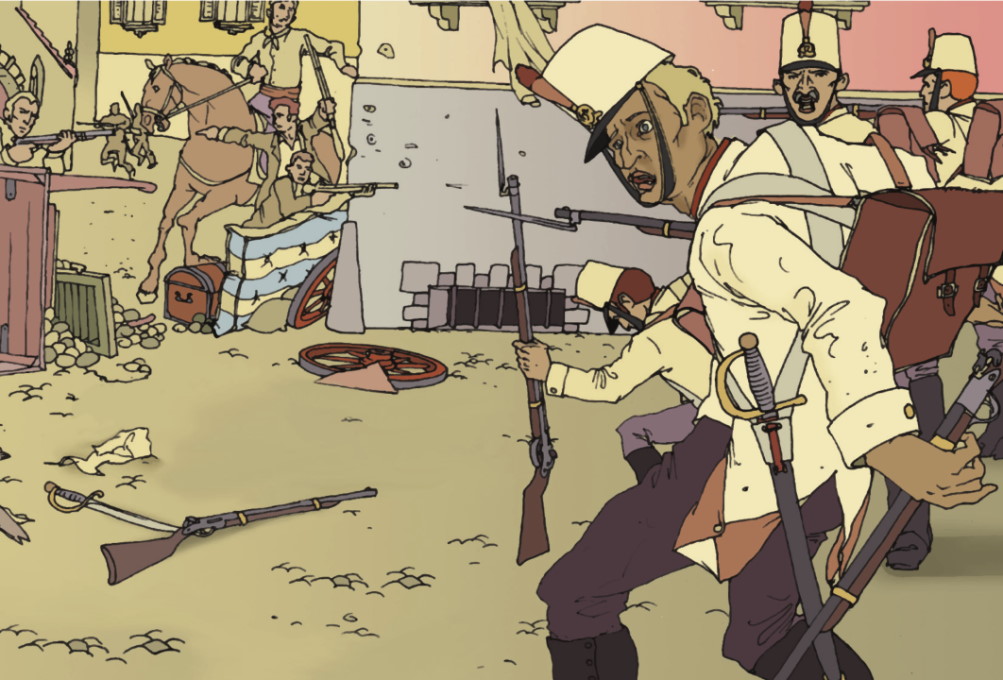
In 1848, the people of Europe revolted against the old authoritarian regimes and proclaimed liberal-inspired governments.
Milan also took to the barricades and drove out the Austrian occupiers, in what became known as the Five Days of Milan.
But conservative forces quickly launched a counter-offensive, and Switzerland found itself a republican and democratic island in the middle of a monarchist and anti-liberal Europe.
The Hunger Blockade
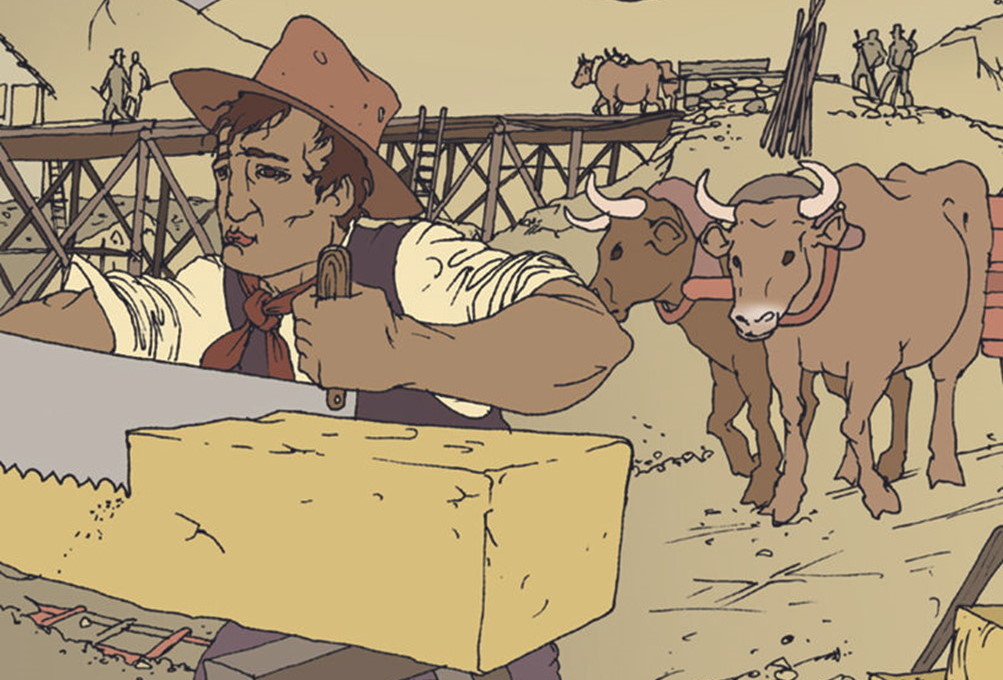
At the beginning of the 19th century, emigration was one of Ticino’s economic mainstays. Many Ticinesi left the region for short or long periods to work abroad.
One of the main destinations was neighbouring Lombardy, where many found work as coppersmiths, tinsmiths, chimney sweeps, textile workers and chocolatiers.
Agriculture in Ticino was limited to subsistence farming.
The Magadino Plain had not yet been drained and Ticino was dependent on Lombardy for its grain supplies.
When the Austrians returned to Milan, Ticino took in thousands of Lombard refugees.
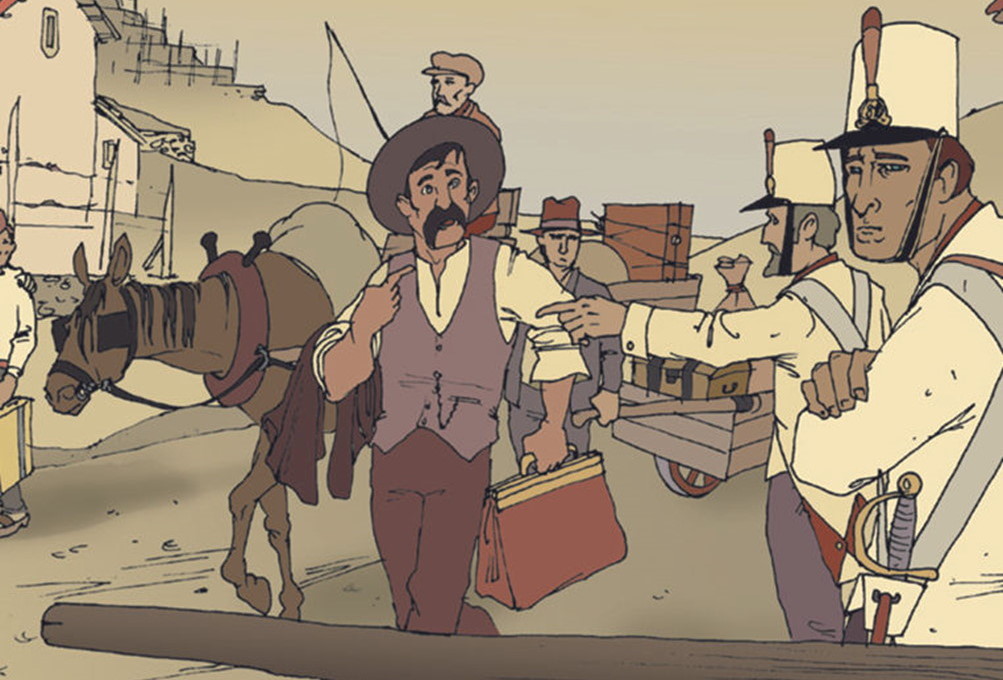
In response, Austria accused Ticino of harbouring anti-Austrian conspirators and imposed a trade blockade.
In 1853, when the Ticino government expelled some Lombard Capuchin monks accused of espionage, Austria immediately retaliated:
More than 6’000 Ticinese living in Lombardy were expelled and the borders closed.
This became known as the Hunger Blockade.
The Hunger Forts
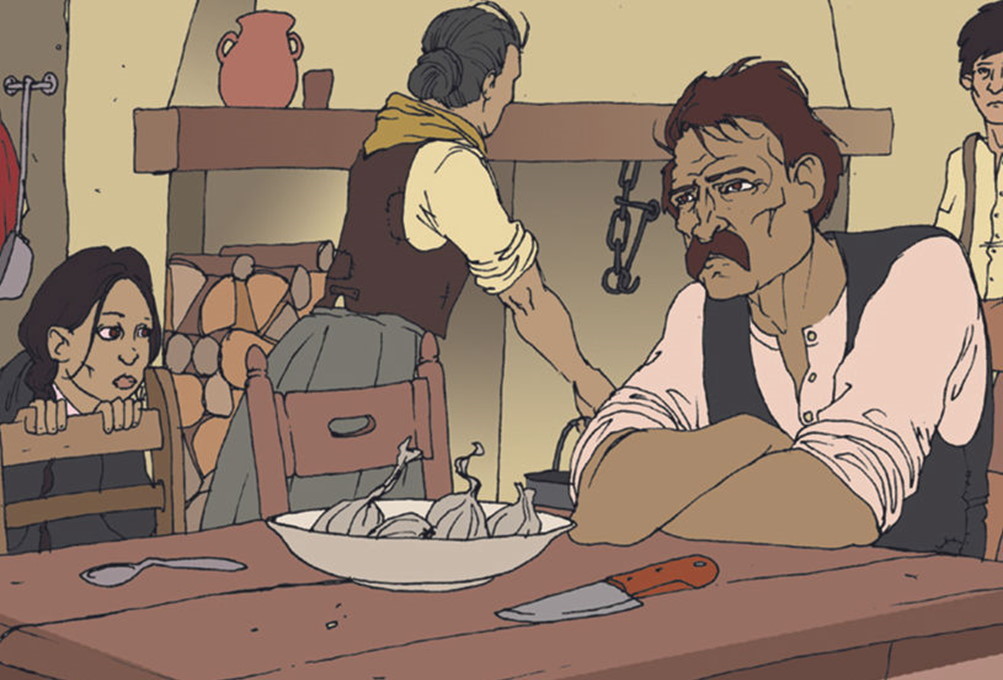
A potato disease, which had been spreading across central Europe since 1845 reduced harvests and led to famine.
This crisis worsened in 1853 due to the border blockade, the increasing number of people to feed, and the inability of many seasonal workers to migrate to Lombardy-Venetia.
Many young Ticinese, attracted by the gold rush, began to emigrate to California and Australia.
The canton and the Swiss Confederation launched several projects to provide work for refugees and alleviate the crisis.
Unemployment and hunger poisoned the political climate and put pressure on the liberal government, which was blamed for the border blockade and its consequences.
The canton encouraged migration to industrial centers in German-speaking Switzerland and initiated public works projects.
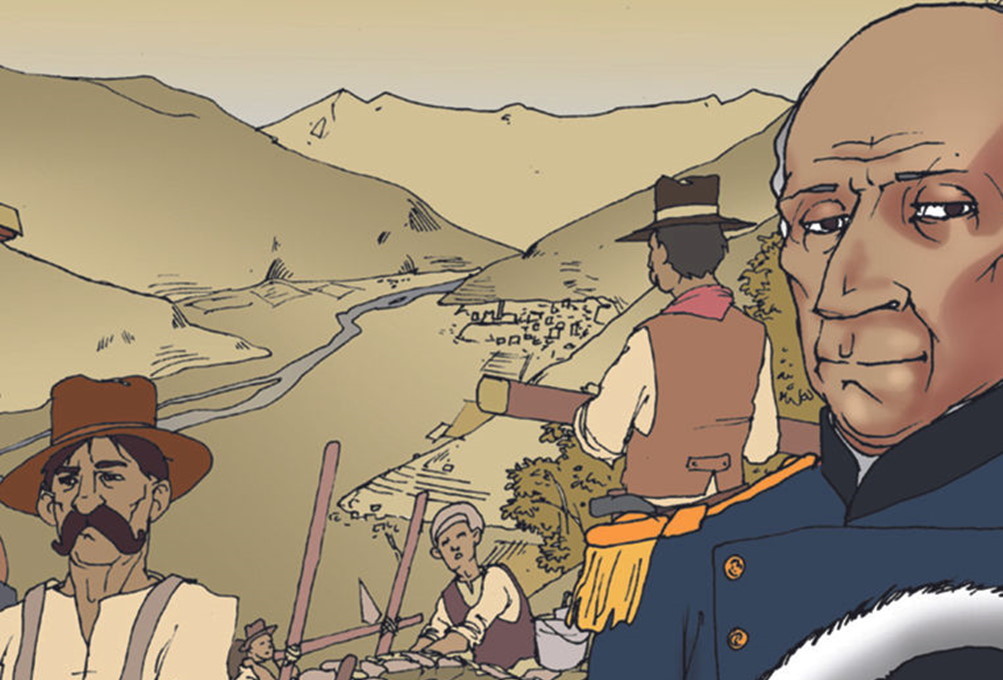

In 1854, the Swiss Confederation decided to extend an already planned fortification project south of Bellinzona:
These fortifications became known as the Hunger Forts.
Publications
Book “I FORTINI DELLA FAME” (32 pages, 4 languages) price 4.- Fr.
Where to buy?
- First Fort Ai Scarsitt, in Muntagna 34, Camorino
- District Office, in Piazza 10, Camorino
- Bellinzona Tourist Office, Piazza Collegiata 12, Bellinzona
- Mail order possibile (+ shipping costs) – Contact us!